

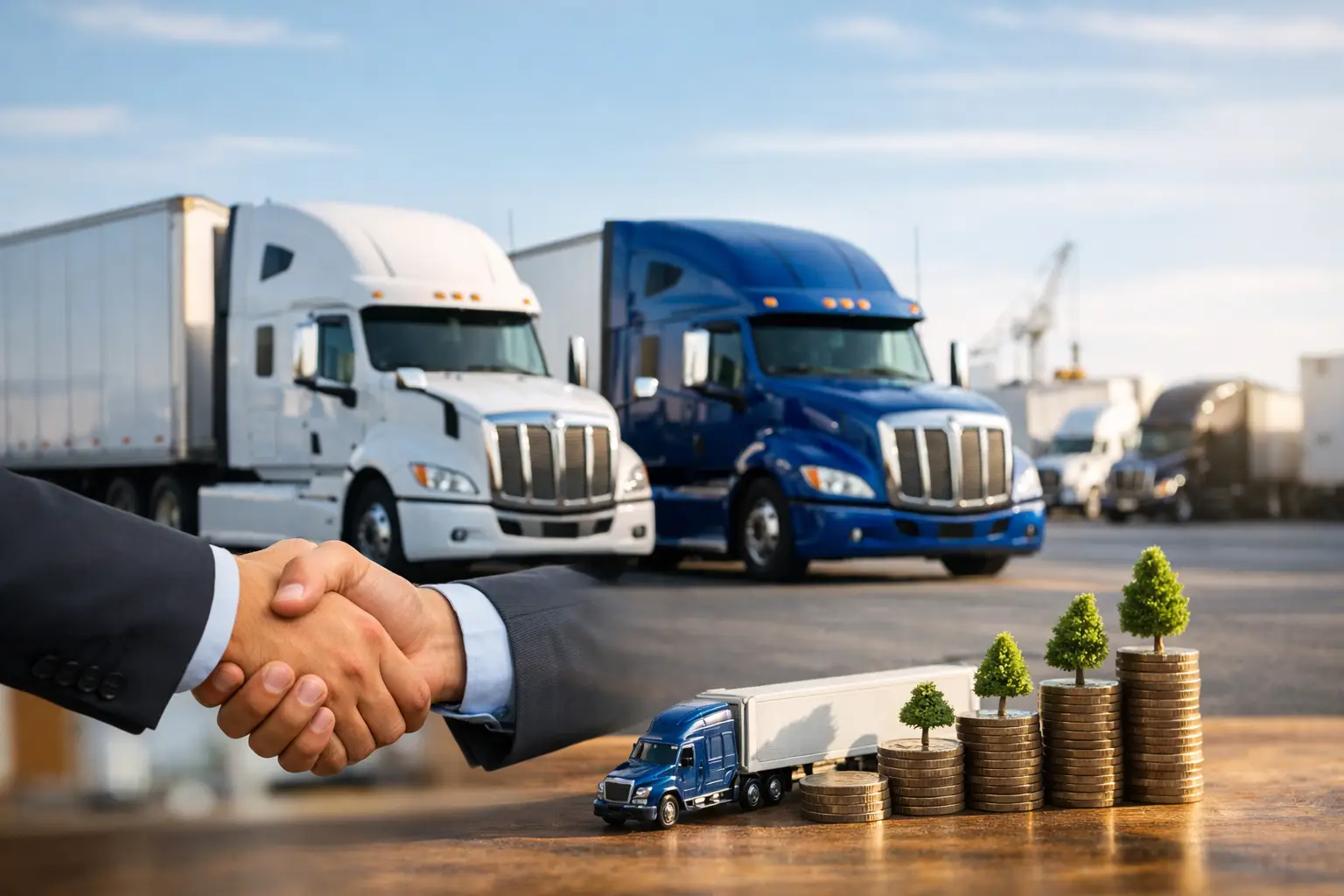
A truck that is parked waiting for repairs, a trailer that cannot handle a new contract, or a machine that limits production can cost far more than its purchase price. Equipment financing gives business owners a way to acquire revenue-producing assets without draining the cash needed for fuel, payroll, insurance, inventory, and daily operations.
For owner-operators, fleet owners, and growing small businesses, the right financing structure can turn a qualified opportunity into a working asset. The wrong structure can create a payment that strains cash flow before the equipment has a chance to earn its keep.
What Equipment Financing Means for Your Business
Equipment financing is funding used to purchase or refinance business equipment. The equipment commonly serves as collateral, which can make approval more accessible than an unsecured business loan. Depending on the program, borrowers may finance trucks, trailers, construction machinery, medical devices, manufacturing equipment, restaurant equipment, technology, or other essential assets.
In trucking, this often means financing a Class 8 truck, box truck, dump truck, refrigerated trailer, flatbed, dry van, or specialized equipment. The lender evaluates the asset, the borrower, and the business’s ability to make payments. Because the truck or equipment has resale value, some lenders can offer lower down payments or more flexible credit requirements than they would for a general-purpose loan.
The goal is not simply to get approved. It is to match the payment term and financing type to the equipment’s useful life and your expected revenue.
When Equipment Financing Makes Sense
Buying equipment with cash may look simpler, but it can leave a business short on operating capital. A trucking company that puts all available cash into a truck purchase may have little room for maintenance, driver payroll, fuel advances, registration, or unexpected repairs. Financing preserves liquidity while spreading the cost of the asset over time.
It can be a strong fit when the equipment will directly generate revenue, reduce expenses, or help you accept more work. A contractor adding an excavator, for example, may be able to complete jobs without renting equipment. A carrier adding a trailer may increase load capacity or serve a specialized freight lane. A repair shop may use new diagnostic equipment to take on higher-value work.
It depends on the numbers. If an asset will sit unused for long periods or the payment exceeds its likely monthly return, financing can create pressure instead of growth. Before applying, estimate the total monthly cost of ownership, including the payment, insurance, maintenance, fuel, permits, and any staffing needed to operate it.
Common Equipment Financing Structures
Not every equipment deal works the same way. The structure affects your payment, ownership position, tax treatment, and end-of-term options.
Equipment loans
With an equipment loan, the borrower typically owns the asset from the start, while the lender holds a lien until the balance is paid. Terms are often built around the age, condition, and expected life of the equipment. Newer trucks and equipment may qualify for longer terms, while older assets may require a shorter repayment period.
This option can make sense for businesses that plan to keep the equipment long term and want ownership after the final payment. Down payment requirements vary. Strong applicants may find low-down-payment options, while challenged-credit borrowers, startups, or buyers of older equipment may need more money down.
Equipment leases
A lease provides use of the equipment for a set period. At the end of the lease, you may have the option to buy the asset, return it, renew the lease, or upgrade, depending on the agreement.
Leasing can work well when equipment becomes outdated quickly or when preserving upfront cash matters most. However, review the end-of-term terms carefully. A lower monthly payment does not always mean a lower total cost, especially if the agreement includes a large purchase option or use restrictions.
Sale-leaseback financing
A sale-leaseback lets a business use equipment it already owns to access capital. The lender purchases the asset and leases it back to the business, allowing the company to continue using it while converting equity into working capital.
This can help an established carrier or business cover expansion costs, stabilize cash flow, or consolidate expensive obligations. It is generally most useful when the equipment has clear value and is in good condition.
Refinance options
Refinancing existing equipment can lower a payment, extend the repayment period, or free up cash tied to an asset. It can be useful when a business has improved its credit profile, built more time in business, or needs to improve monthly cash flow.
A longer term may reduce the payment but increase total interest expense. Compare both the monthly payment and the total cost before replacing an existing agreement.
What Lenders Review Before Approval
Lenders do not make decisions based on credit alone. A strong application explains the equipment, the business, and the repayment plan clearly.
For newer equipment and well-qualified businesses, lenders may place significant weight on personal and business credit, time in business, annual revenue, bank activity, and the value of the asset. For truck financing, they may also consider the truck’s year, make, model, mileage, condition, purchase price, seller, and intended use.
New businesses and applicants with credit challenges can still have financing options, but approval terms may be different. A larger down payment, higher rate, shorter term, personal guarantee, or stronger equipment collateral may be required. That is not necessarily a reason to stop pursuing financing. It is a reason to compare realistic offers and choose a payment your business can carry.
For owner-operators, lenders may also look at commercial driving experience, existing contracts, settlement statements, or proof of income. For established fleets, they may review business financials, debt obligations, fleet utilization, and operating history.
Documents to Prepare Before You Apply
Having paperwork ready can shorten the path from application to funding. Requirements vary by lender and deal size, but most equipment financing applications ask for a clear equipment quote or purchase order, basic business details, and information about the business owner.
For larger requests or more complex deals, expect to provide business bank statements, tax returns, profit and loss statements, a balance sheet, debt schedules, and proof of insurance. Truck buyers may also need the vehicle identification number, seller details, photos, title information, or maintenance records for used equipment.
Accurate documents matter. A quote with the wrong purchase price, an unclear seller, or missing equipment details can slow underwriting. If you are purchasing used equipment, confirm its condition and market value before committing. A low price is not always a good deal if the asset has high mileage, poor maintenance history, or limited resale value.
How to Compare Equipment Financing Offers
The approval offer with the lowest stated rate is not automatically the best offer. Compare the full transaction, including the payment amount, term length, down payment, documentation fees, closing costs, prepayment terms, collateral requirements, and end-of-term purchase option if it is a lease.
Also consider how quickly the equipment can start producing income. A slightly higher-cost financing option that funds quickly may be worth more than a cheaper option that causes you to lose a contract or miss a purchase opportunity. On the other hand, speed should not push you into terms you do not understand.
Ask whether the payment is fixed, whether there is a balloon payment, and whether early payoff carries a penalty. Confirm whether insurance coverage is required before funding and whether the lender has restrictions on where or how the equipment can be used.
Working with a financing marketplace such as TruckingLoans can help businesses compare programs through multiple lending partners rather than relying on a single bank’s credit box. This can be particularly valuable for newer companies, specialized equipment purchases, and borrowers rebuilding credit.
Build the Payment Around the Asset’s Job
Before signing, tie the equipment payment to a specific business outcome. A truck should support realistic freight revenue. A trailer should increase capacity, improve lane access, or reduce outsourcing costs. A machine should create enough additional production or savings to justify the monthly obligation.
The best equipment purchase is one your business can operate profitably from the first month, not one that only works when every load, customer payment, and repair goes perfectly. Leave room in the budget for normal slowdowns and surprises. That cushion gives the equipment time to do what it was purchased to do: help your business earn more, serve more customers, and move forward with confidence.
